

2027 Travel Forecast: Destinations Designed to Help Us Breathe
Travel in 2027 is becoming less about how many places we can visit and more about how a destination makes us feel.
As travelers look beyond crowded cities and conventional hotels, there is growing interest in places that offer space, privacy, fresh air, and a stronger connection to nature. From luxury glamping resorts and wellness retreats to open-air villas and nature-integrated hospitality spaces, the next generation of destinations is being designed around a simple idea: travel should leave you feeling better than when you arrived.
For resort owners, architects, and hospitality developers, this shift is influencing not only where people travel, but also how destinations are designed.
Here are several travel and hospitality trends shaping 2027.
1. Nature Becomes Part of the Architecture
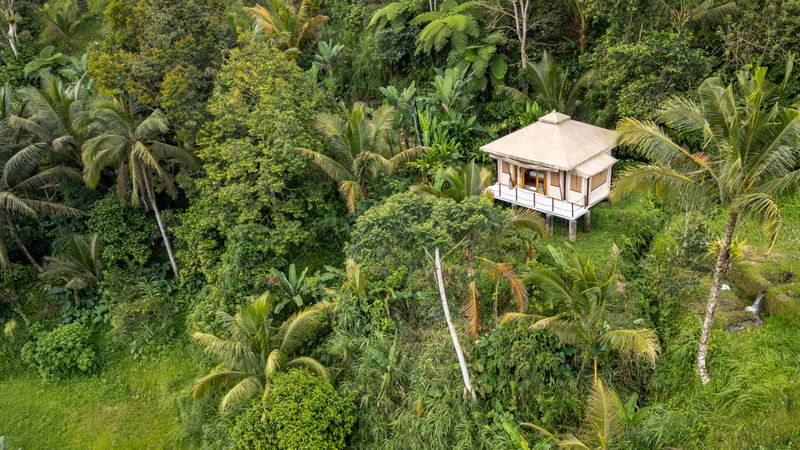
In 2027, nature is no longer simply the view outside the window. It is becoming part of the architecture itself.
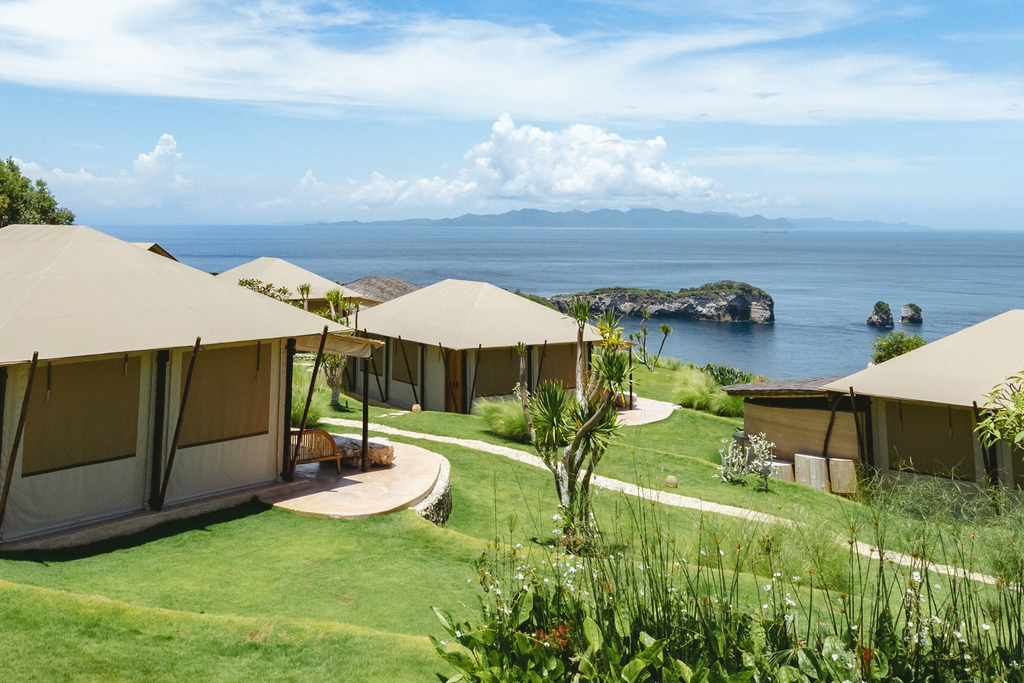
Luxury tented villas, eco glamping tents, open-air pavilions, and nature-based accommodation are being designed to respond directly to their surroundings. Orientation, natural ventilation, framed views, outdoor living areas, and carefully considered transitions between interior and exterior spaces all help create a stronger relationship with the landscape.
Rather than imposing a building onto the site, this approach allows the terrain, vegetation, climate, and views to influence the design.
The result is hospitality that feels more connected, quieter, and more immersive.
2. Wellness Moves Beyond the Spa
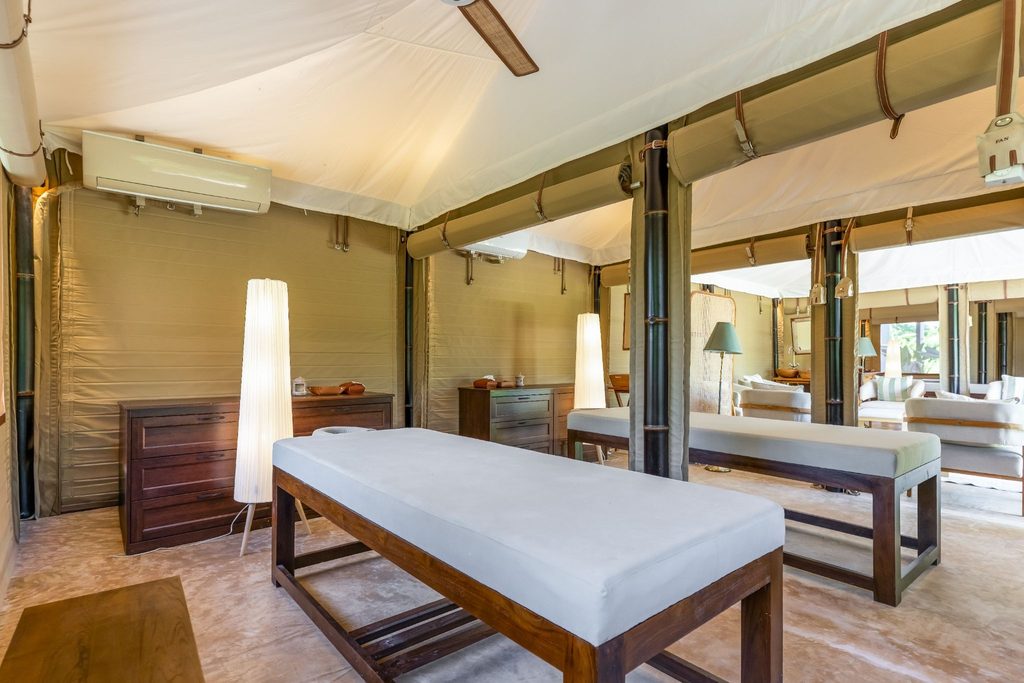
Wellness travel is evolving beyond traditional spa treatments.
Guests are increasingly looking for environments that support rest throughout the entire stay. A shaded terrace for morning meditation, a private outdoor bath, a yoga pavilion surrounded by trees, or a bedroom positioned to capture the first light can all become part of the wellness experience.
This is where hospitality design plays an important role.
Natural light, fresh air, acoustic comfort, privacy, landscape views, and access to outdoor spaces can shape how guests experience a destination. Wellness is no longer necessarily a separate facility — it can become part of the architecture itself.
3. Luxury Becomes More Personal
Luxury travel is moving away from simply offering more.
More space, more facilities, and more decoration do not automatically create a better guest experience. In 2027, luxury is increasingly about creating environments that feel personal, private, and purposeful.
A secluded tent surrounded by forest can offer a different kind of luxury from a large conventional hotel suite. A private terrace overlooking a valley can become more memorable than an oversized interior.
For nature-based resorts, this means thoughtful design can be more valuable than excessive design.
The goal is to create spaces where guests can slow down, disconnect from everyday routines, and experience a genuine sense of place.
4. Flexible Hospitality Spaces Are Here to Stay
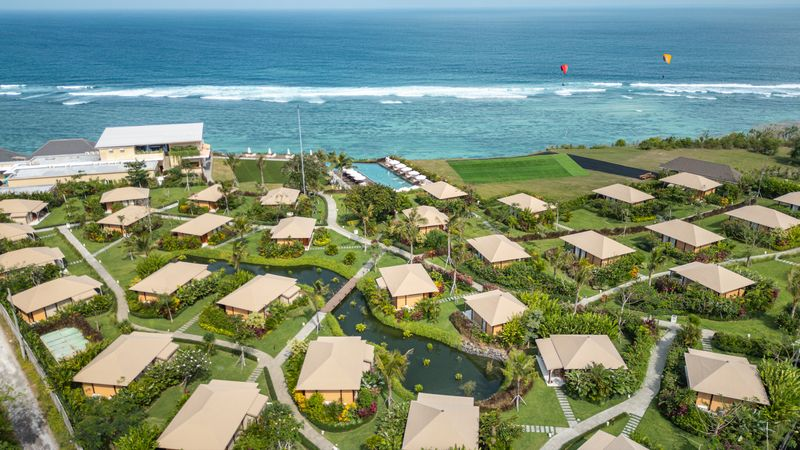
Hospitality spaces are becoming more adaptable.
A single pavilion might serve as a breakfast space in the morning, a yoga studio during the day, and an intimate dining venue in the evening. Outdoor decks can become gathering spaces, wellness areas, or private places for guests to relax.
This flexibility allows resort developers to create more experiences without necessarily increasing the physical footprint of a destination.
For luxury glamping resorts and boutique hospitality projects, adaptable architecture can also make better use of limited or unconventional land.
5. Low-Impact Hospitality Shapes New Destinations
Sustainability continues to influence how new hospitality projects are planned and built.
For developers, the conversation is moving beyond simply choosing an “eco-friendly” label. Site impact, material selection, construction methods, transportation, durability, maintenance, and the long-term lifecycle of a structure all become part of the equation.
Lightweight structures, modular construction, replaceable components, and designs that respond to existing landscapes can provide alternative approaches to conventional construction.
For guests, these decisions may not always be visible. But they contribute to a destination that feels more considered and responsible.
6. Unconventional Locations Become Hospitality Opportunities
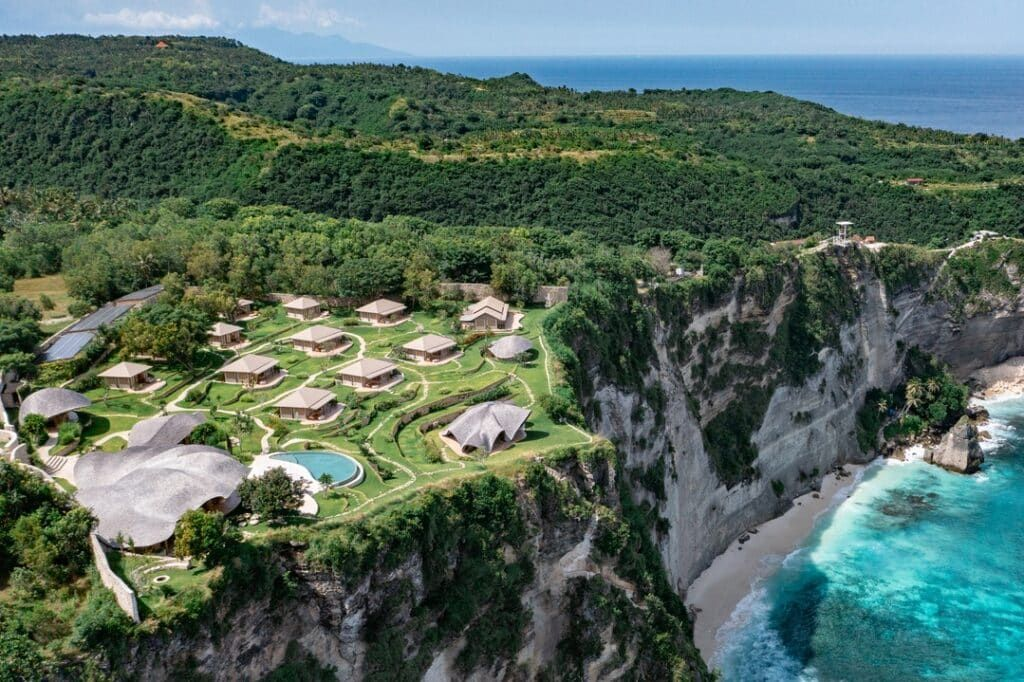
Some of the most interesting destinations of 2027 may be found in places conventional construction cannot easily reach.
Clifftops, forests, islands, mountainsides, agricultural landscapes, and remote coastal sites are inspiring new approaches to hospitality development.
Luxury tented architecture can offer flexibility in locations where traditional buildings may be challenging to construct. With the right planning, design can respond to terrain rather than requiring the landscape to be heavily altered.
This opens new possibilities for developers looking to create distinctive destinations in unconventional locations.
7. The Journey Becomes Part of the Stay
Guests increasingly remember more than their room.
They remember the path through the forest, the first view when they arrive, breakfast overlooking the landscape, the sound of rain on the roof, or an evening spent outside beneath the stars.
This means hospitality design needs to consider the entire guest journey — from arrival and circulation to accommodation, dining, wellness, and outdoor experiences.
The strongest destinations are not simply collections of buildings. They are carefully connected experiences.
Designing the Destinations of 2027
The future of luxury hospitality is not necessarily about building bigger.
It is about building with greater intention.
As travelers seek deeper connections with nature, wellness, privacy, and authentic experiences, hospitality developers have an opportunity to rethink how destinations are designed. Luxury tented villas, eco glamping resorts, wellness pavilions, and modular hospitality spaces can all play a role in creating this new generation of travel experiences.
At Escape Nomade, we approach each project by considering the relationship between architecture, landscape, climate, and the people who will experience the space.
With 450+ completed projects across 55+ countries, our experience spans a wide range of landscapes, hospitality concepts, and site conditions. From individual luxury tented villas to large-scale resort developments, each project begins with understanding what makes its location unique.
Because the destinations of tomorrow should not simply give people somewhere to stay.
They should give people somewhere to breathe.
Ready to Create Your Next Destination?
Whether you have a challenging site, an untouched landscape, or an idea for a new hospitality concept, our team is ready to explore what is possible.
Consult with the Escape Nomade team and discover how your land, vision, and hospitality concept can be transformed into a destination designed around nature, experience, and lasting value.