

5 Practical Lessons for Designing Outdoor Lodging That Lasts
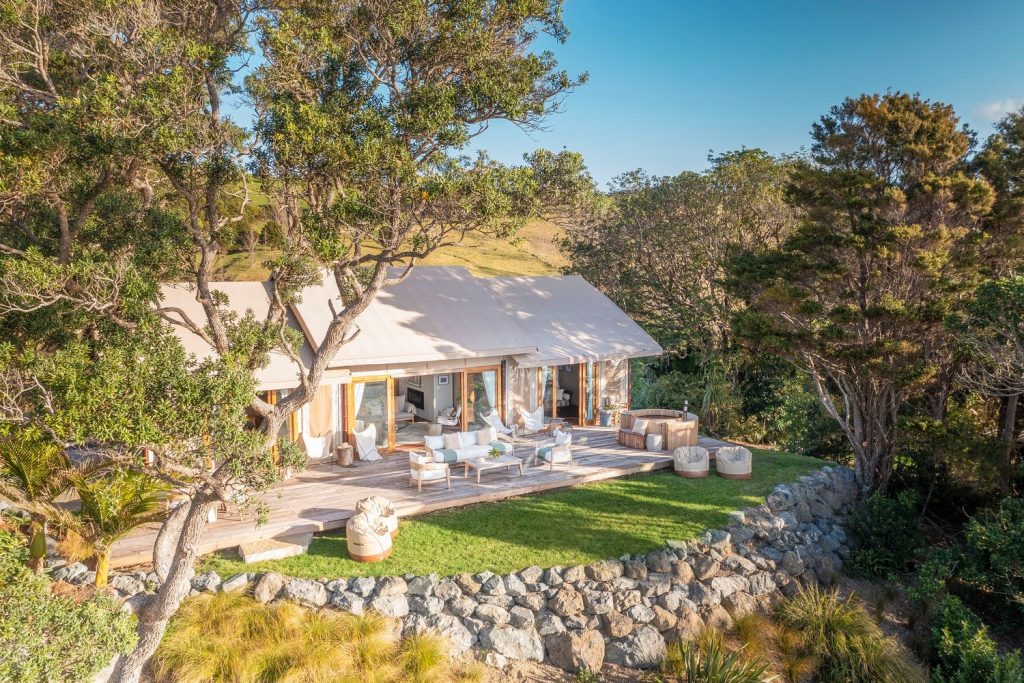
Outdoor lodging continues to expand across the Asia-Pacific region, driven by increasing demand for nature-based and experience-led accommodation. As the sector evolves, a consistent challenge is emerging: many projects achieve early success but face difficulty sustaining performance over time.
Experience from operational projects across the region highlights several recurring design principles that support long-term resilience. The following five lessons reflect insights observed across multiple outdoor lodging developments, including projects delivered by Escape Nomade.
1. Sustainability Must Be Designed for Operations, Not Only Construction
In outdoor lodging, sustainability is often associated with material selection or environmental certification. While important, these elements alone do not guarantee long-term performance. Projects that endure are designed around:
- Local climate conditions
- Long-term material behavior in outdoor environments
- Maintenance requirements aligned with on-site capabilities
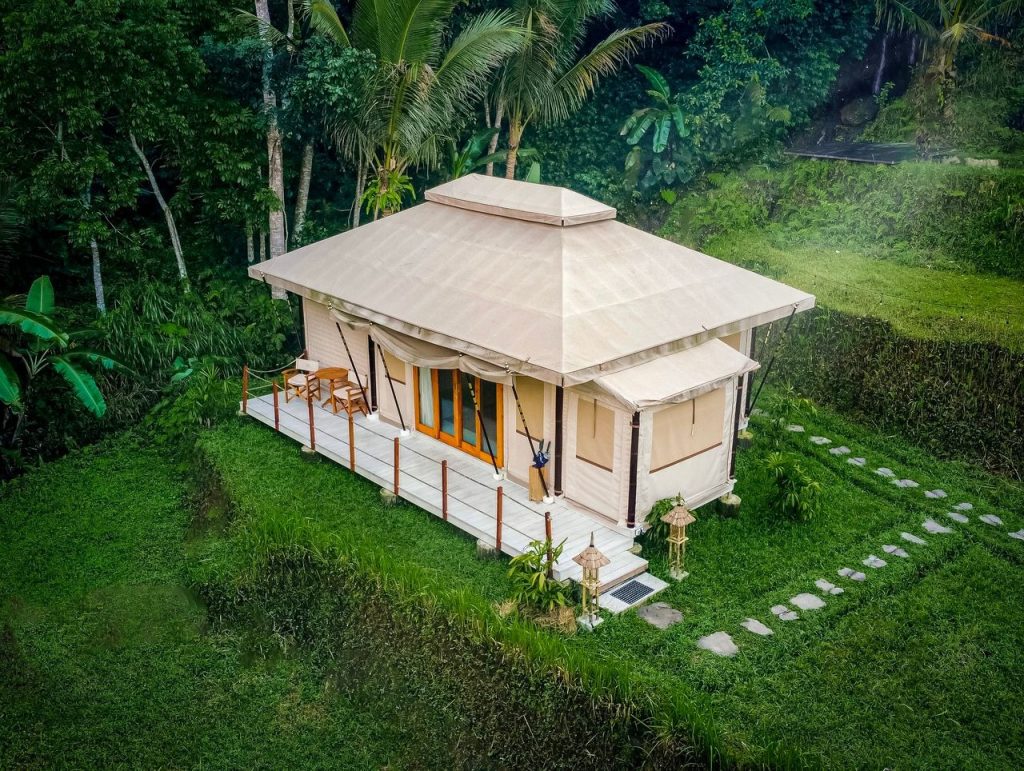
In tropical settings, for example, Escape Nomade projects have applied climate-responsive strategies such as UV-resistant membranes, elevated structures, and passive airflow design. These measures reduce moisture-related deterioration, extend material lifespan, and lower operational strain over time.
Sustainability, in this context, is as much about operational practicality as environmental responsibility.
2. Guest Comfort Is Central to Commercial Viability
While immersion in nature is a defining feature of outdoor lodging, guest comfort remains a primary driver of satisfaction, reputation, and repeat visitation. Key comfort considerations include:
- Thermal performance and ventilation
- Protection from weather and insects
- Acoustic buffering
- Spatial privacy through layout and orientation
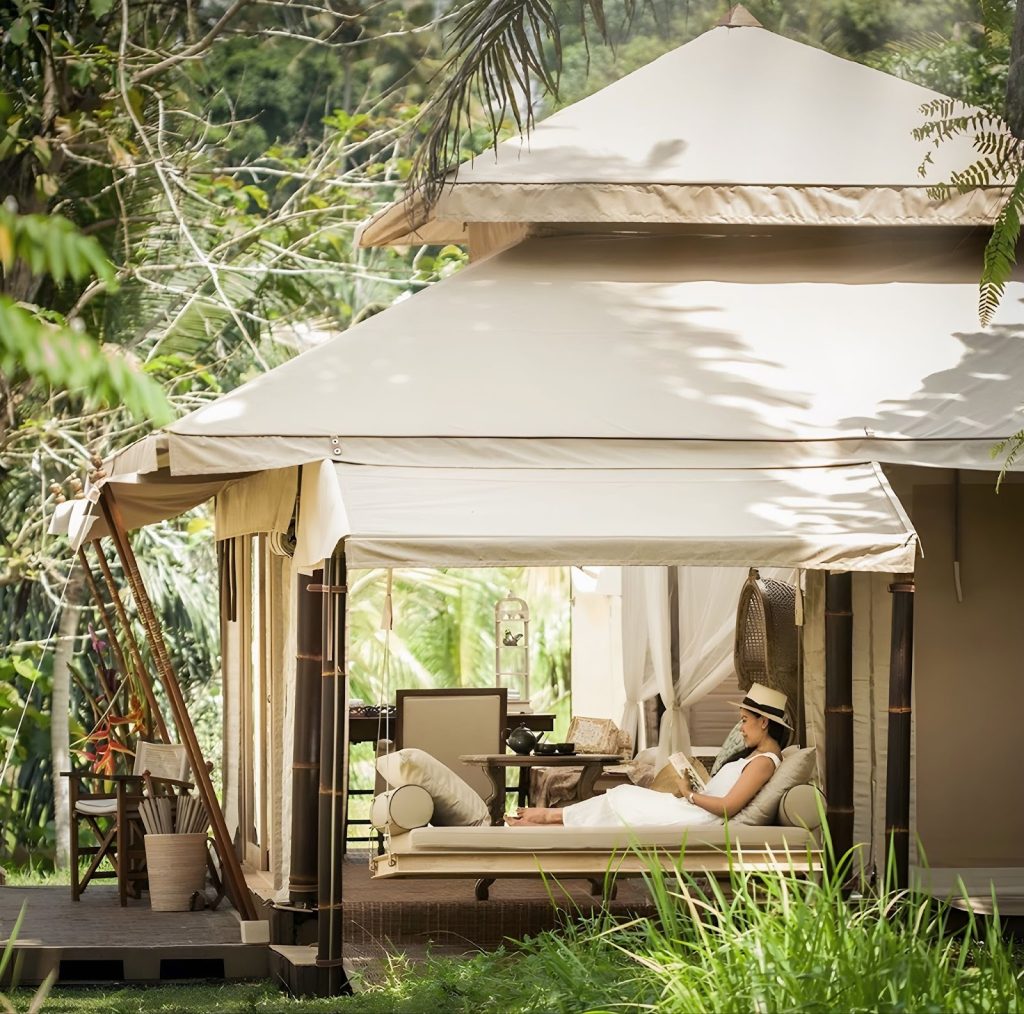
Across multiple Escape Nomade projects, layered roofing systems, adjustable openings, and cross-ventilation strategies have been integrated to balance openness with protection. These design choices support consistent guest comfort across varying weather conditions, helping projects maintain performance beyond the initial opening phase.
3. Durability Is a Strategic Design Decision
Outdoor lodging environments place greater physical demands on structures and interiors than conventional hospitality settings. Sun, rain, humidity, and wind accelerate wear and increase maintenance requirements. Early design decisions related to:
- Structural systems
- Flooring and finishes
- Modular construction
directly influence maintenance frequency, operating costs, and staff workload.
Several Escape Nomade developments utilize modular systems that allow targeted repairs or component replacement without dismantling entire units. This approach reduces downtime during peak seasons and supports long-term operational stability.
4. Experience-Led Design Strengthens Long-Term Value
Outdoor lodging has evolved beyond the provision of accommodation alone. Increasingly, guests seek experiences that foster connection to nature, place, and culture. Experience-led design considers:
- Guest movement and site circulation
- Transitions between indoor comfort and outdoor immersion
- The role of shared and contemplative spaces
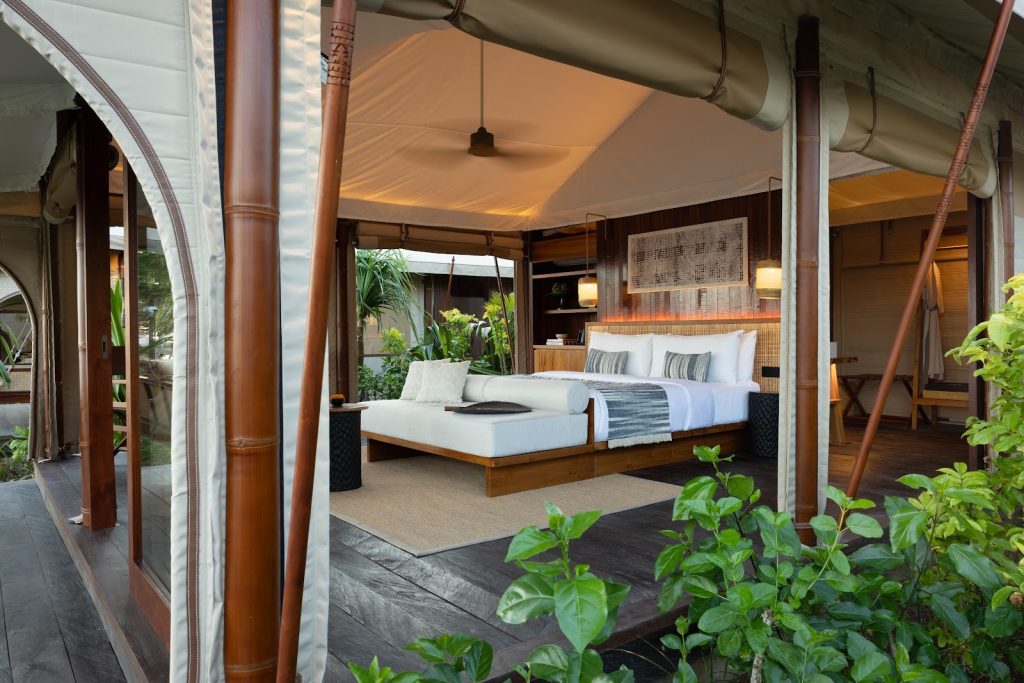
Escape Nomade projects often emphasise spatial sequencing and landscape orientation, creating intentional moments for pause and connection. When experience is thoughtfully designed, it supports longer stays, stronger emotional engagement, and sustained market relevance.
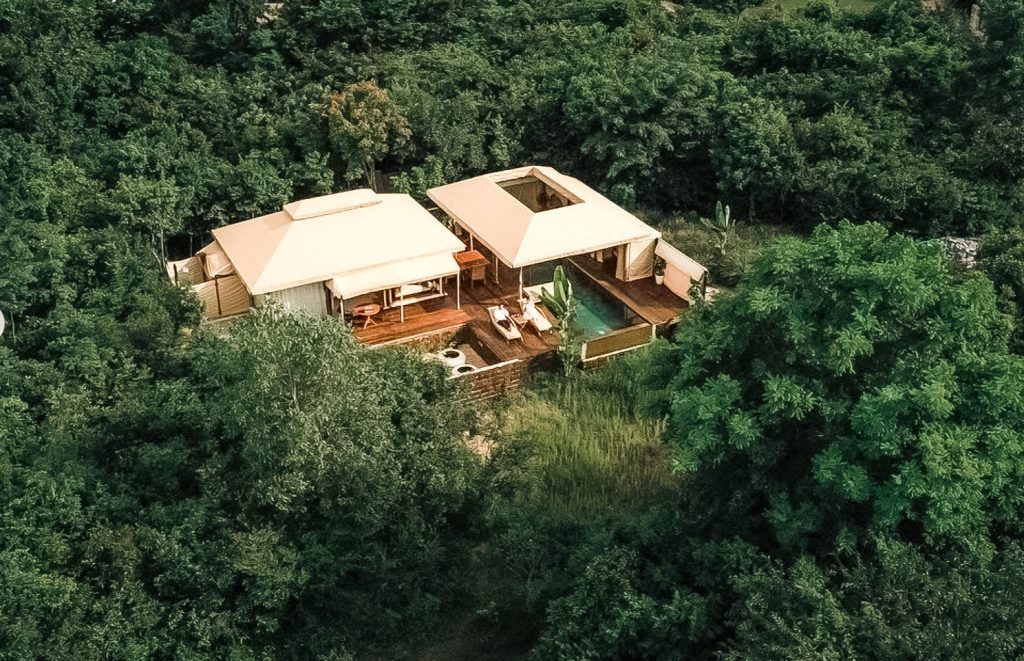
5. Longevity Requires Planning Beyond the Opening Year
Many outdoor lodging projects are developed with a strong launch vision but limited consideration for long-term adaptation. Designing for longevity requires early consideration of:
- Material performance over time
- Operational scalability during peak periods
- Flexibility to respond to evolving guest expectations
Several Escape Nomade developments incorporate modular layouts that allow future expansion or reconfiguration without major reinvestment or disruption to existing operations. This foresight enables projects to remain competitive as markets and guest preferences evolve.
Conclusion
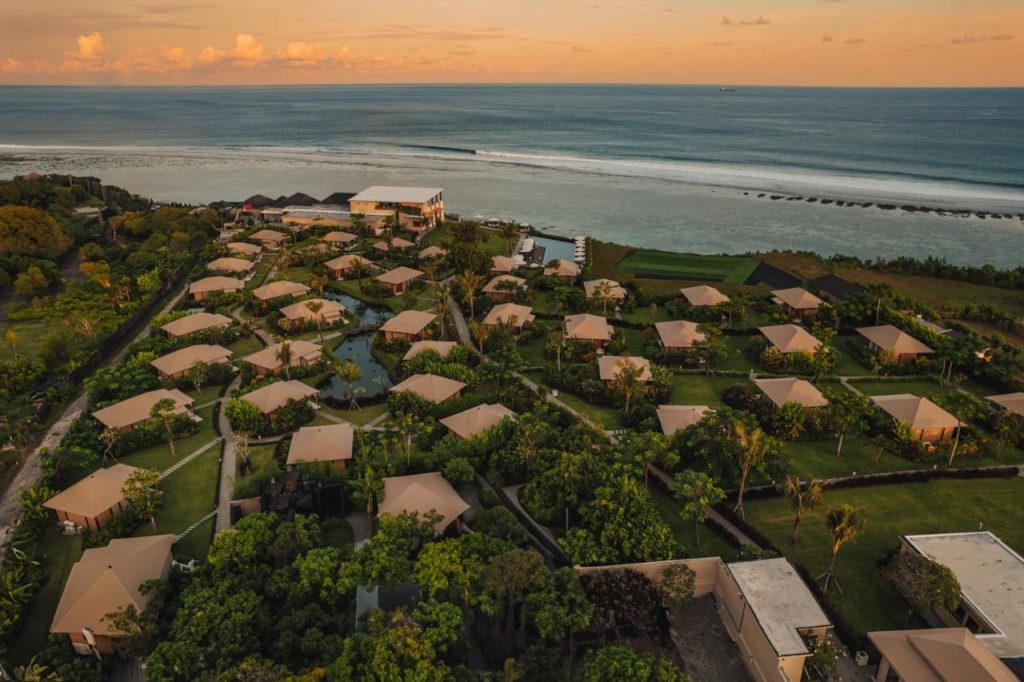
As outdoor lodging across Asia Pacific continues to mature, operational durability, guest comfort, and long-term adaptability are becoming as critical as innovation and aesthetics.
By integrating these five principles early in the design and planning process, developers and operators can create outdoor hospitality projects that are more resilient, commercially sustainable, and aligned with long-term industry growth.
These insights are shared to support ongoing industry dialogue within the outdoor lodging community.